
Mike Bunge Sep 19, 2026

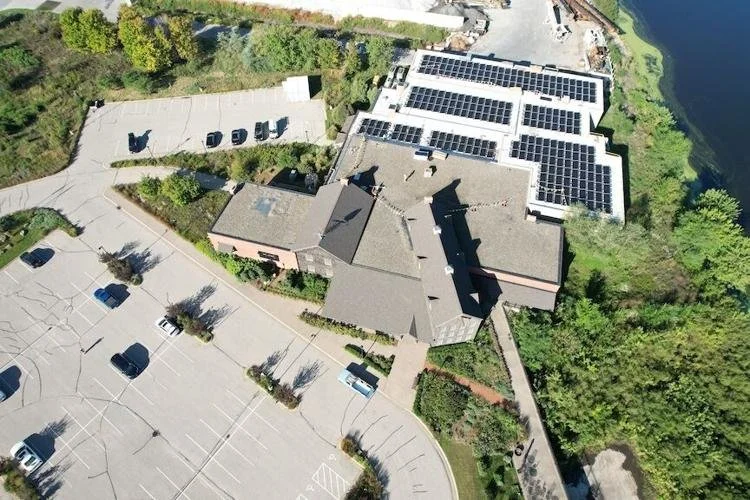
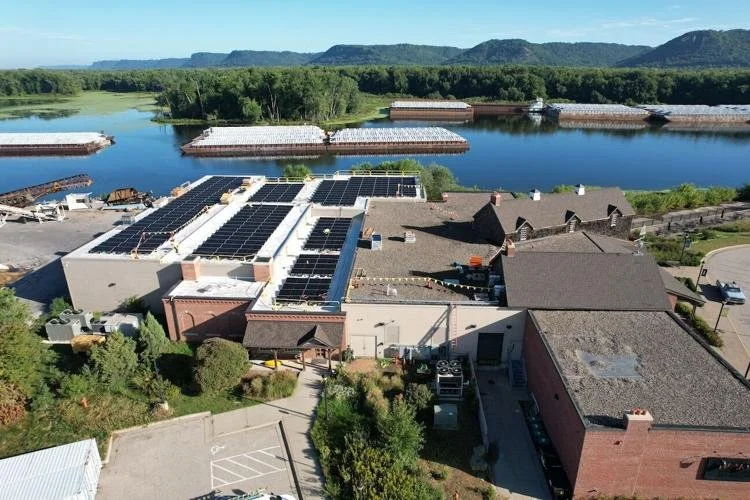
WINONA, Minn. — The Minnesota Marine Art Museum (MMAM) cut the ribbon on a new rooftop solar array that will cut the museum's electricity costs in half while advancing its goal to achieve carbon neutrality by 2030.
The project was financed through a $250,000 loan from the Minnesota Climate Innovation Finance Authority. Solar Bear developed the project, and BlueSky Electric handled the installation.
"The solar on the rooftop of the Minnesota Marine Art Museum is a wonderful extension of MMAM's work to connect art, culture and sustainability," said Board Chair Bill Hoel. "We plan to educate and engage the public on the benefits of tapping into nature to power our energy, to save money, and to protect our Minnesota lands and waters."
The rooftop solar will generate enough electricity to cover half of the museum's electricity needs each year, estimated at $33,000 annually. The museum plans to reinvest those savings into programming and other costs.
More than 35,000 visitors to the museum each year will be able to see in real time the energy generated by the rooftop solar. The educational opportunities will connect the museum's roots in the history of the Mississippi River's arts and culture to a vision for the community's future.
"This investment by the Minnesota Marine Art Museum will reduce its environmental impact and its annual operating costs for the foreseeable future," said MnCIFA Interim Executive Director Pete Klein. "I hope that more organizations will invest in renewable energy projects like this when they realize the positive economic impact that they make."
The project drew national philanthropy and federal government funding. The Helene Frankenthaler Foundation provided a $75,000 grant, and the Morgan Family Foundation contributed $150,000 for an Associate Curator of Clean Water and Climate for two years. The project is expected to qualify for a $149,300 federal Investment Tax Credit, covering 40 percent of eligible costs.
BlueSky contracted workers through the IBEW Unions, ensuring the project provided good-paying prevailing wage jobs. The 163.8 kW array is estimated to generate 177,691 kWh per year in electricity, enough energy to power about 30 homes annually.
